


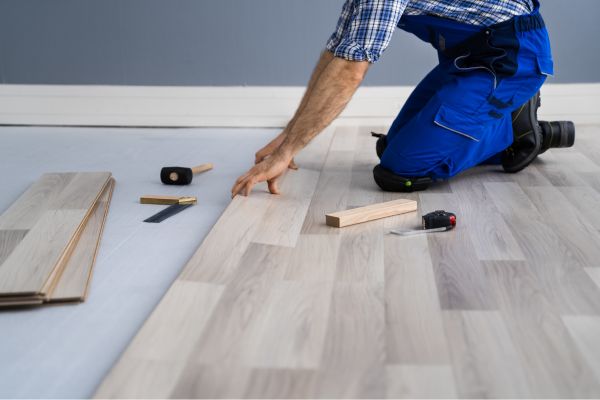
When embarking on a remodeling project, most of the excitement surrounds choosing the final surface material. Homeowners spend hours comparing the rich grain patterns of hardwood, the sleek appeal of luxury vinyl, or the precise patterns of ceramic tile. However, the ultimate success and durability of any surface rely entirely on what lies beneath. Subfloor preparation is the most critical phase of professional installation, serving as the literal foundation that dictates whether new materials will perform flawlessly or fail prematurely.
Decoding the Critical Role of Subfloor Structural Integrity
A subfloor that looks clean to the naked eye can still harbor minor imperfections that severely impact new floor coverings. Whether a home is constructed on a poured concrete slab or a traditional wood joist system, flatness is imperative. High spots can create pressure points that cause hard materials to crack or snap, while low spots leave empty voids underneath. When stepped on, planks over these hollow pockets will flex downward, putting immense stress on the interlocking tongue-and-groove joints. Over time, this repetitive movement leads to loose seams, loud squeaks, and irreversible structural damage.
Professional installers address these issues through precise mechanical grinding for high spots and the application of premium self-leveling underlayments to fill in depressions. This meticulous leveling ensures that the surface remains completely flat, stable, and completely quiet under daily foot traffic.
Managing Moisture in Coastal Climates
For properties located in coastal regions like Florida, managing moisture transmission is a continuous operational challenge. Concrete slabs naturally absorb groundwater like a sponge, gradually releasing water vapor upward into the living space. If a new hard surface is installed over a damp slab without an adequate moisture barrier, the trapped water can cause engineered woods to buckle, laminate cores to swell, and vinyl adhesives to lose their bond.
Phase 1: Deep adhesive and old carpet residue removal.
Phase 2: Electronic moisture testing across the entire slab surface.
* Phase 3: Diamond grinding of high points and structural ridges.
* Phase 4: Precision filling of low voids with polymer concrete compound.
* Phase 5: Placement of specialized acoustic and vapor barriers.
To prevent these issues, installers perform electronic moisture testing across the slab before installation. Based on the readings, specialized liquid moisture barriers or heavy-duty poly-film underlayments are applied to create an impenetrable shield. This vapor management system safeguards premium materials from moisture damage and prevents mold growth beneath the surface.
Minimizing Dust and Managing Cleanliness During Renovations
The process of grinding concrete and removing old carpet or tile inevitably generates fine construction dust. If left unmanaged, this dust can settle into HVAC systems, cover walls, and infiltrate adjacent rooms. Professional installation teams employ advanced dust-containment systems, utilizing sealed barriers and heavy-duty HEPA vacuums attached directly to grinding equipment. This careful attention to detail protects the home's indoor air quality and keeps construction debris contained entirely within the active work zone.
The Value of Experienced, Professional Craftsmanship
Subfloor remediation requires specialized diagnostic tools, professional-grade compounds, and years of field experience. While big-box retailers often utilize third-party subcontractors who rush through prep work, a dedicated local business handles every project with care, precision, and an uncompromising commitment to lasting craftsmanship.
To understand how the business prioritizes quality from the ground up, learn more about the team's values and background About RCI Flooring. For an expert evaluation of your home's foundation, plan a visit to the local showroom and consult with the installation team by checking the RCI Flooring Location details to schedule your next consultation.


