


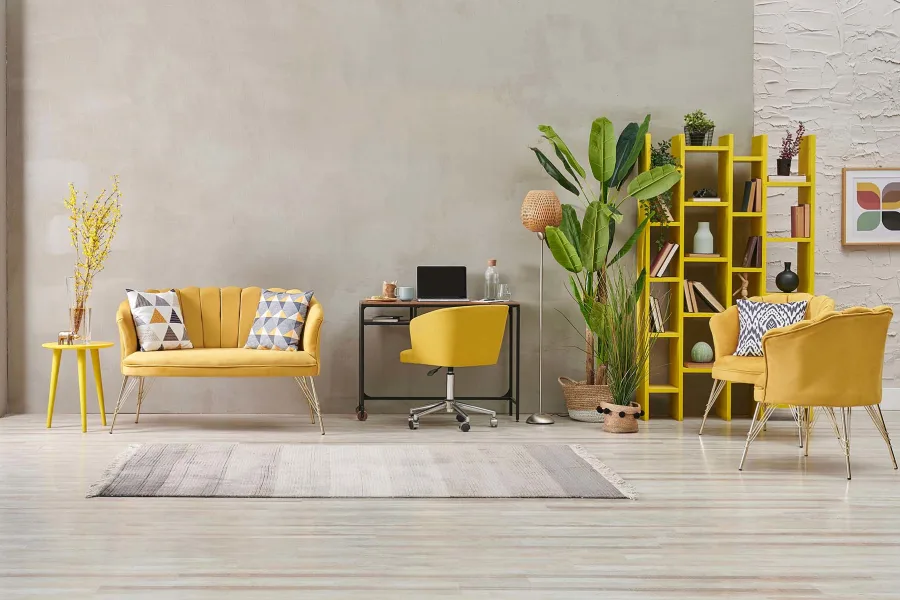
Transforming a house into a cohesive, warm home often comes down to mastering the subtle nuances of interior design. While hard surfaces like solid hardwood, luxury vinyl plank, and sleek tile offer unmatched durability and clean visual lines, they can sometimes feel visually stark or acoustically echoey on their own. Layering area rugs directly over hard surface floors has emerged as a premier design technique to introduce rich textures, define distinct functional zones within open-concept layouts, and protect high-traffic pathways. Balancing materials, patterns, and proportions ensures your living space feels intentionally styled rather than cluttered.
Anchoring Spaces and Defining Open-Concept Living Zones
Modern residential architecture heavily favors expansive, open-concept floor plans where kitchens, dining areas, and living rooms seamlessly flow into one another. While this layout maximizes natural light and creates a sense of airiness, it can also make furniture arrangements feel lost without clear boundaries. Strategically placing an area rug creates an immediate visual anchor, grouping furniture into purposeful conversation nooks or dining quarters.
When placing an area rug over wood-look luxury vinyl or rich natural oak, proportions are everything. A common design oversight is selecting a rug that is too small for the space, which shrinks the perceived size of the room. Ideally, all major furniture legs—or at least the front two legs of sofas and accent chairs—should rest comfortably on the rug. Leaving a perimeter of six to twelve inches of exposed hard flooring around the edges of the rug establishes a refined frame that highlights the natural beauty of your base floor while grounding the seating area.
Balancing Color, Pattern, and Material Textures
The key to successful rug layering lies in subtle contrast. If your base flooring features a busy, high-variation wood grain or intricate tile pattern, opt for a neutral, solid, or lightly textured wool rug to balance the visual energy. Conversely, if your floor surface is uniform and minimal—such as a smooth light-oak laminate or monochromatic grey porcelain—you can introduce bold geometric prints, rich floral motifs, or deep vintage hues through your rug choice.
Texture plays an equally critical role in the tactile experience. Pairing a smooth, polished hard floor with a high-pile shag or a natural jute rug adds depth and dimension underfoot. Furthermore, never compromise on safety and floor protection: always install a non-abrasive, high-quality rug pad beneath area rugs to prevent slipping, cushion steps, and protect your floor’s clear wear layer from grit friction.
Expert Guidance for Crafting Beautiful Living Spaces
Achieving a harmonious interior requires selecting high-grade foundational materials paired with thoughtful design choices. RCI Flooring has earned a stellar reputation across Pinellas County by pairing top-quality products with exceptional, personalized customer service. Under the dedicated direction of owner Chris Ramsay-Care, the experienced team takes pride in assisting homeowners through every stage of the design process, ensuring your choice of base flooring integrates seamlessly with your existing decor, area rugs, and lifestyle demands.
To discover the history of excellence and family-owned values behind the business, explore more details About RCI Flooring. When you are ready to explore thousands of stunning hard surfaces and flooring options in person, map out your showroom visit via the RCI Flooring Location page today.


