


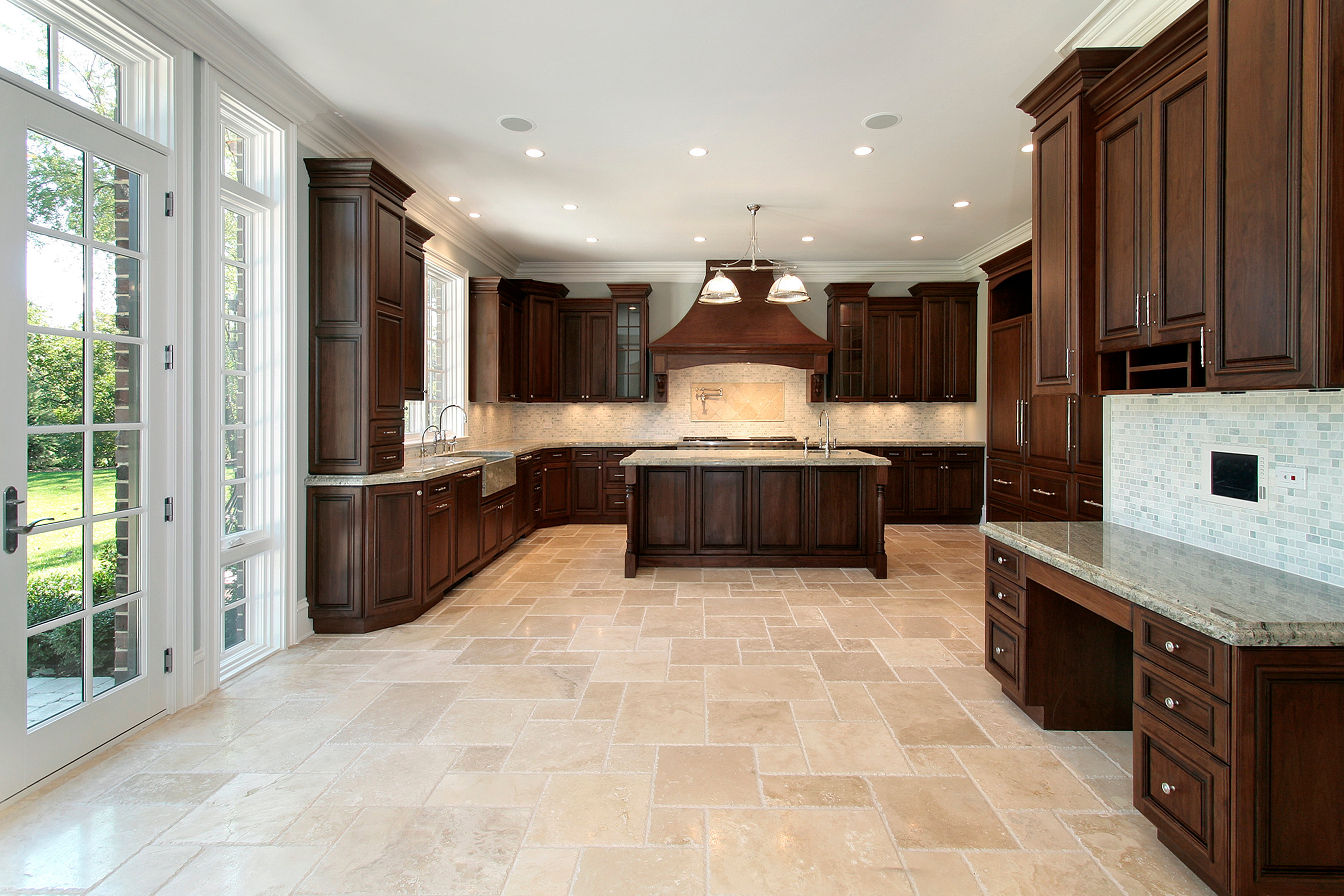
For centuries, tile has been celebrated as one of the most versatile, durable, and luxurious surface materials available to builders and decorators alike. From intricate mosaics in entryways to expansive, large-format porcelain slabs in contemporary living rooms, tile allows for endless creative expression. Beyond its visual charm, tile is highly sought after for its exceptional longevity, water resistance, and hypoallergenic properties. Understanding the differences between material options ensures your selection aligns beautifully with your daily routine and design vision.
Distinguishing Between Ceramic and Porcelain Structures
While ceramic and porcelain tiles look very similar on display racks, their physical composition and performance properties differ quite a bit. Porcelain is made from a highly refined clay blend fired at incredibly high temperatures. This intense manufacturing process makes the tile exceptionally dense, hard, and non-porous. Porcelain features a water absorption rate of less than 0.5%, making it the premier choice for wet areas like walk-in showers, outdoor patios, and busy kitchens.
Traditional ceramic tile is slightly more porous but remains an excellent, cost-effective option for vertical wall installations, decorative backsplashes, and rooms with moderate foot traffic. Leading brands such as Tarkett and Mohawk have introduced stunning collections in both categories, offering rich glazes, matte finishes, and wood-look textures that fit any aesthetic preference.
The Newest Design Trends: Large Slabs and Wood Visuals
We believe in always providing our clients with the newest and most current styles on the market. Currently, home design is moving toward large-format tile sizes, such as 12x24 or 24x48 inches. Using larger tiles means fewer grout lines, which immediately makes smaller spaces feel significantly larger while reducing the surface areas where dirt can collect. Another massively popular choice is wood-look tile, which combines the rustic warmth of oak or hickory planks with the water resistance and cooling properties of porcelain.
Securing Long-Term Performance Through Expert Installation
Because tile is completely rigid, it cannot bend or flex with a changing subfloor. If a concrete slab has structural cracks, high points, or low valleys, the installed tile above can easily crack, unbond, or lift. Professional installation teams prevent these failures by checking subflooring, grinding down uneven ridges, and using specialized uncoupling membranes that protect the tile from natural slab shifting.
RCI Flooring combines top-quality products with exceptional customer service to ensure that your investment is fully protected for a lifetime. The entire team works diligently every day to provide personalized guidance and a commitment to craftsmanship that guarantees lasting results. To read more about the company's long history of matching homeowners with their dream floors, learn more About RCI Flooring.
To check out hundreds of beautifully organized flooring options in person and map out your next visit, check out the RCI Flooring Location details and stop by the showroom today.


