


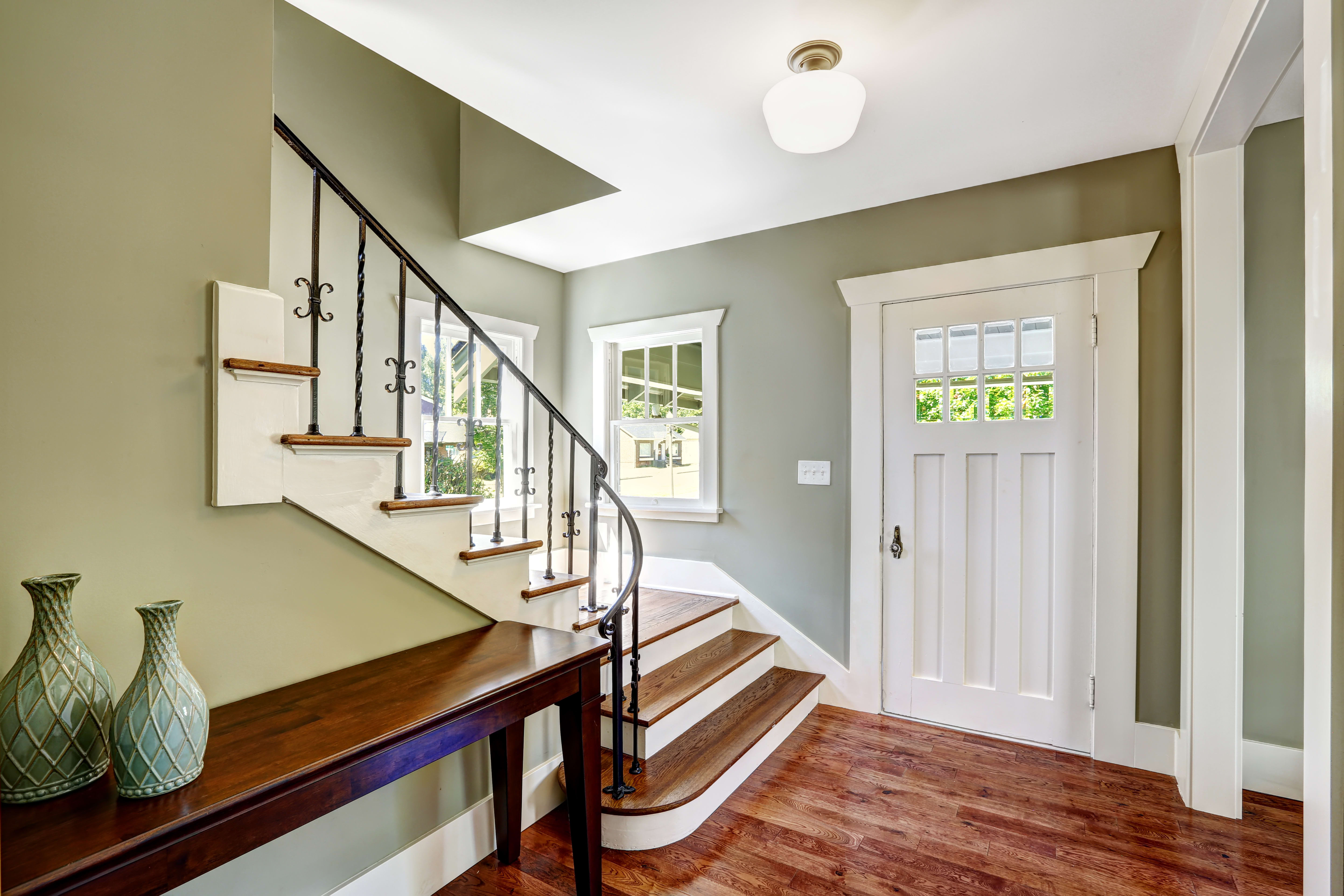
Homeowners who want the authentic look and feel of genuine timber along with maximum stability often turn to engineered hardwood flooring. In regions like Palm Harbor, Dunedin, and Tarpon Springs, fluctuating indoor humidity and concrete slab foundations present distinct installation demands. Engineered wood planks are designed to withstand these environmental factors, providing a resilient hard surface option that preserves natural beauty without compromising structural performance.
How Engineered Hardwood Structural Layers Function
Multi-Ply Core Engineering
Unlike solid timber cut from a single log, engineered hardwood is constructed using multiple cross-directional layers of high-density plywood or core board, topped with a genuine hardwood surface veneer. These underlying layers are glued in opposing grain directions under intense pressure. When humidity levels change, each layer counters the movement of the adjoining layer, virtually eliminating the warping, cupping, and twisting common in solid wood installed directly over concrete.
Real Wood Veneer and Surface refinishing
The top wear layer—known as the lamella or veneer—consists of genuine hardwood species such as European Oak, Hickory, or Walnut. Depending on the thickness of this top veneer (ranging from 2mm to 6mm), high-grade engineered planks can be sanded and refinished just like solid wood flooring, extending their usable service life over several decades.
Factory Finish Defense
Premium engineered planks come pre-finished from the factory with UV-cured urethane or aluminum oxide coatings. These industrial-grade finishes are applied in controlled environments, creating a hard protective shield that guards against high-heeled shoe impacts, pet nails, and daily friction.
Optimal Placement Across the Home
Because engineered hardwood handles environmental shifts gracefully, it can be installed in areas where solid hardwood is generally avoided. Engineered planks excel when glued directly down to concrete subfloors, installed over radiant heating setups, or laid in ground-level areas prone to light moisture changes, such as kitchens and hallways.
Glue-Down Installations: Direct bonding over concrete slabs provides a solid acoustic feel underfoot.
Floating Installations: Utilizing interlocking or click-system planks over specialized underlayment pads offers cushioned shock absorption and quick installation timelines.
Nail-Down Application: Installed over traditional wood subfloors on second-story layouts for continuous, sturdy performance.
Industry Expertise for Lasting Results
Investing in engineered hardwood provides the ideal combination of natural luxury, practical stability, and low maintenance. Working with an experienced local specialist ensures that subfloors are properly checked for levelness and moisture emission before a single plank is laid. RCI Flooring provides personalized, friendly guidance to help you select materials tailored to your home's layout, budget, and traffic requirements.
To discover the values, certifications, and dedication to customer satisfaction behind our brand, take a moment to learn About RCI Flooring. Ready to compare real wood species and engineered plank constructions side-by-side? Plan your showroom consultation today by finding the RCI Flooring Location nearest to you.


